


Get practical advice and insights

All updates must be accompanied by text or a picture.

Featured Q&A

My Son Age 8 Year With Chronic Itp Non Responder All Medication Platelets Count4

By A myITPcenter Visitor · 1 answer
View Answers

How To Cure Petachiae

By A myITPcenter Visitor
Add an Answer

What Would Be The Signs Of Hemorrhaging Or Bleeding In The Brain?

By A myITPcenter Subscriber · 1 answer
View Answers

Hi

By A myITPcenter Visitor · 1 answer
View Answers
73 questions

Im 75 With Petechiea And 117000 Platlets Will Platlet Count Stay Stable Or Get Worst

A myITPcenter Visitor asked a question 💭
myITPcenter

Will a platelet count of 117,000 with petechiae remain stable or worsen in a 75-year-old?

Platelet counts with ITP can be unpredictable and may fluctuate over time. The presence of petechiae (those… read more

Will a platelet count of 117,000 with petechiae remain stable or worsen in a 75-year-old?

Platelet counts with ITP can be unpredictable and may fluctuate over time. The presence of petechiae (those tiny red spots under the skin) suggests active bleeding even though the platelet count is above the typical ITP threshold of 100,000.

Some people experience stable counts for periods of time, while others see their platelets drop suddenly. One myITPcenter member shared how their platelets fell from 13,000 to zero in just four days, while another went from 150,000 down to 3,000 in a week.

Age can be a factor - ITP is most common in people over 60, and chronic ITP in older adults may require ongoing monitoring and treatment.

The key is regular blood work to track any changes. If you notice increased petechiae, new bruising, bleeding gums, nosebleeds, or unusual fatigue, contact your hematologist right away. Don't wait for symptoms to worsen.

Your care team can help determine if treatment adjustments are needed based on how your counts trend over time and whether symptoms develop.

March 26
All updates must be accompanied by text or a picture.

Do I Need Treatment With Petechiea And 117000 Platlets

A myITPcenter Visitor asked a question 💭
myITPcenter

Do you need treatment with petechiae and 117,000 platelets?

With a platelet count of 117,000, you're in a range where treatment decisions vary from person to person. ITP becomes a concern when… read more

Do you need treatment with petechiae and 117,000 platelets?

With a platelet count of 117,000, you're in a range where treatment decisions vary from person to person. ITP becomes a concern when platelet levels dip below 100,000, but not everyone shows symptoms or needs immediate treatment.

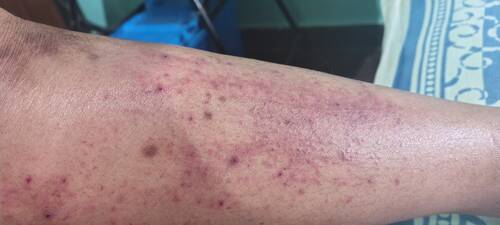
The presence of petechiae (those purple freckles from broken capillaries) suggests your body is showing signs of low platelets, even though your count isn't critically low. Some people with ITP don't have any observable symptoms at all, while others experience bleeding signs like petechiae.

Whether you need treatment depends on several factors:

* Your symptoms and how they affect daily life
* Whether you're experiencing other bleeding issues
* Your personal health goals and concerns
* Risk factors for bleeding

Many people with ITP who don't have significant symptoms might not need treatment right away, but monitoring is still important. Others may benefit from treatment to prevent complications.

This is definitely a conversation to have with your hematologist. They can help you weigh your specific situation and decide together whether starting treatment now makes sense, or if careful monitoring is the better approach for you.

March 26
All updates must be accompanied by text or a picture.

Diet And Natural Remedies To Overcome ITP

A myITPcenter Visitor asked a question 💭
5 New Treatments for Chronic ITP Read Article...
myITPcenter

What dietary changes and natural approaches can help manage ITP?

While there's no specific diet that cures ITP, eating nutritious foods may help you feel better and support your overall health. Here… read more

What dietary changes and natural approaches can help manage ITP?

While there's no specific diet that cures ITP, eating nutritious foods may help you feel better and support your overall health. Here are some helpful dietary approaches:

Foods to Include:

* Leafy green vegetables (kale, spinach, broccoli) - high in vitamin K which helps blood clot
* Healthy fats from avocados, chia seeds, fatty fish like salmon, walnuts, and olive oil - these are anti-inflammatory
* Whole foods like fruits, vegetables, whole grains, beans, lean meats, and seafood
* Plenty of water throughout the day

General Eating Tips:

* Choose whole-grain bread, pasta, and rice
* Eat lean meats and fatty fish
* Limit foods high in fat, sugar, or salt
* Avoid inflammatory foods like red meat and processed items

Natural Remedies:

Some studies suggest papaya leaf extract as a dietary supplement may help improve platelet counts, but you should talk to your doctor before trying it.

Important Considerations:

Before making drastic dietary changes or taking supplements, discuss them with your hematologist. Some ITP treatments affect clotting, and certain medications work best while avoiding specific foods. For example, some drugs shouldn't be taken with high-calcium foods because calcium can prevent the medication from working effectively.

A registered dietitian can provide personalized guidance based on your specific treatment plan and health needs.

February 25
All updates must be accompanied by text or a picture.

আমার আম্মুর ITP ধরা পড়ছে।১ মাস আগে

A myITPcenter Visitor asked a question 💭
What’s the Life Expectancy for Chronic ITP? Read Article...
A myITPcenter Visitor

তার প্লাটিলেট অনেক উটানামা করে

তার প্লাটিলেট অনেক উটানামা করে

December 4, 2025
All updates must be accompanied by text or a picture.

What Is The Best Medicine For Mental Decline

Sonja2 asked a question 💭
Self-Kindness When Struggling: 6-Minute Guided Meditation (VIDEO) Read Article...
myITPcenter

What medications are best for managing mental decline with ITP?

The search results provided don't contain information about mental decline or cognitive issues related to ITP. The results focus on… read more

What medications are best for managing mental decline with ITP?

The search results provided don't contain information about mental decline or cognitive issues related to ITP. The results focus on treatments for low platelet counts, bleeding risks, and physical symptoms of ITP.

If you're experiencing mental fog, confusion, or cognitive changes while managing ITP, this could be related to:

- Fatigue from the condition itself
- Side effects from certain medications (like steroids)
- Stress from managing a chronic illness

It's important to discuss these symptoms with your hematologist or primary care doctor. They can evaluate whether your cognitive changes are related to your ITP treatment or if there's another cause that needs attention.

Many myITPcenter members report that managing fatigue and stress through good sleep, stress reduction, and working closely with their healthcare team helps improve overall well-being, which can impact mental clarity.

November 22, 2025
All updates must be accompanied by text or a picture.

My Son Age 8 Year With Chronic Itp Non Responder All Medication Platelets Count4

A myITPcenter Visitor asked a question 💭
5 New Treatments for Chronic ITP Read Article...
myITPcenter

What treatment options are available for a child with chronic ITP who isn't responding to treatment and has a very low platelet count of 4,000?

A platelet count of 4,000 is dangerously low and… read more

What treatment options are available for a child with chronic ITP who isn't responding to treatment and has a very low platelet count of 4,000?

A platelet count of 4,000 is dangerously low and requires immediate medical attention. At this level, there's a serious risk of severe bleeding, including potentially life-threatening internal bleeding.

When initial treatments aren't working, doctors typically move to second-line and third-line options. These include:

- Rituximab (Rituxan) - blocks immune cells from making the antibodies that destroy platelets
- Thrombopoietin receptor agonists - medications like eltrombopag (Promacta) and romiplostim (Nplate) that trigger the bone marrow to produce more platelets
- Immunosuppressants - medications like azathioprine that reduce immune system activity
- Splenectomy - surgical removal of the spleen, though this is typically reserved for severe cases

For extremely low platelet counts, emergency treatments like IVIG or high-dose corticosteroids may be used to quickly raise levels, even if previous responses weren't sustained.

It's critical to work closely with a pediatric hematologist who specializes in ITP. They can evaluate why current treatments aren't working and adjust the approach accordingly. During this time, preventing injuries and avoiding activities that could cause bleeding is essential.

November 1, 2025
All updates must be accompanied by text or a picture.

Hi

A myITPcenter Visitor asked a question 💭
5 New Treatments for Chronic ITP Read Article...
myITPcenter

Hello! Welcome to myITPcenter. I'm here to help answer any questions you might have about living with ITP, whether it's about symptoms, treatments, connecting with others in the community, or… read more

Hello! Welcome to myITPcenter. I'm here to help answer any questions you might have about living with ITP, whether it's about symptoms, treatments, connecting with others in the community, or navigating the site.

Is there something specific you'd like to know about or discuss today?

November 1, 2025
All updates must be accompanied by text or a picture.

How To Cure Petachiae

A myITPcenter Visitor asked a question 💭
All updates must be accompanied by text or a picture.

I Have CLL, ITP And Liver Disease. My Doctors Do Not Want To Give Me Steroids Because Of My Liver. What Are Safer Options For Low Platelets?

A myITPcenter Visitor asked a question 💭

My CLL bmb showed minimal infiltration to treat. My oncologist hematologist seems disinterested in helping me.

My CLL bmb showed minimal infiltration to treat. My oncologist hematologist seems disinterested in helping me.

A myITPcenter Visitor

Neither of those work for me. But I've been able to get on drop tallette, but so far, I've been pretty rough with the fatigue fingers crossed.

Neither of those work for me. But I've been able to get on drop tallette, but so far, I've been pretty rough with the fatigue fingers crossed.

June 28, 2025
All updates must be accompanied by text or a picture.

Treatment

A myITPcenter Subscriber asked a question 💭
myITPcenter

What are the common treatments for ITP?

Several treatment options are available for managing ITP:

• Steroids to reduce inflammation
• Immunoglobulin therapy
• Thrombopoietin receptor agonists to… read more

What are the common treatments for ITP?

Several treatment options are available for managing ITP:

• Steroids to reduce inflammation
• Immunoglobulin therapy
• Thrombopoietin receptor agonists to help bone marrow produce more platelets
• Immunosuppressive medications to reduce immune system response

Side effects vary between medications and individuals, so it's important to discuss potential risks with your healthcare provider when starting any new treatment. In more severe cases, additional treatments may include:

• Splenectomy (removal of the spleen) - since the spleen produces antibodies that attack platelets
• Platelet transfusions - where donor platelets are injected into the bloodstream

Note that while splenectomy can be helpful, it may increase infection risk. Your doctor will help determine the most appropriate treatment path based on your specific situation.

June 8, 2025
All updates must be accompanied by text or a picture.