

 Join
Join
Petechiae vs. Purpura in ITP


Key Takeaways
- Petechiae and purpura are two common skin symptoms of immune thrombocytopenia (ITP), a rare blood disorder where the blood has trouble clotting, causing blood from broken capillaries to pool beneath the skin. View all takeaways
Sign up for free to view the full article summary.
Continue with EmailPetechiae and purpura are two common skin symptoms of immune thrombocytopenia (ITP), a rare blood disorder. When it has trouble clotting, blood from broken capillaries (small blood vessels) pools beneath the skin.
Petechiae and purpura are very similar, and many people with ITP have both of these skin symptoms at the same time. However, they have a few key differences in size and appearance. Managing your ITP may improve skin symptoms by controlling bleeding in the skin.
 What Are Petechiae and Purpura?
Petechiae and purpura are closely aligned because one is essentially a bigger version of the other.
Thanks! You've successfully submitted your vote.
Sign up to view the results!
Continue with Email
Petechiae are tiny spots that can appear on the skin or in mucous membranes like the tissues in your mouth. These dots are pinpoint spots of bleeding in the skin that aren’t itchy or painful, though they’re easily mistaken for a rash. Petechiae stay the same color and don’t blanch (turn a paler color) if you press on them, whereas a rash would lighten under your finger.
Purpura forms when many petechiae join together to form larger spots. Both petechiae and purpura are flat against your skin, not rough or raised.
Like petechiae, purpura can range in color from brown to red to purple based on your natural skin tone and the extent of the bleeding. You might mistake purpura for ecchymosis (a bruise), but bruises are larger than both petechiae and purpura.
What Petechiae and Purpura Look Like
Petechiae and purpura have the same range of colors because both are signs of blood leaking under your skin. The main difference in how they look is their size.

Petechiae vs. Purpura Size
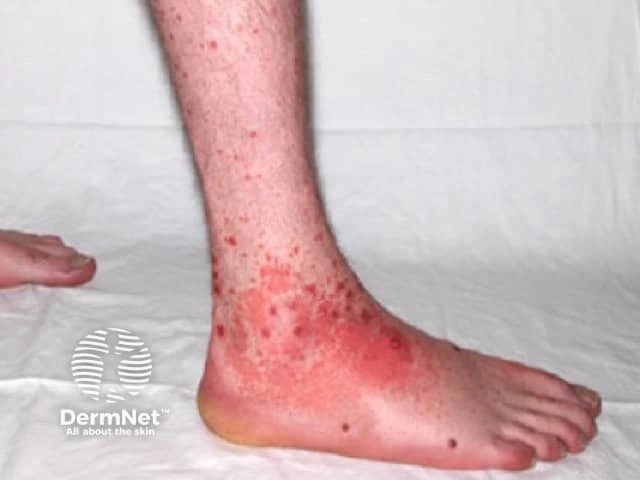
Petechiae are tiny, needlepoint-sized dots. Spots that are larger than 4 millimeters across are purpura. Purpura are no larger than 10 millimeters — spots or patches larger than 1 centimeter in diameter are considered bruises.
Petechiae vs. Purpura Location
Petechiae and purpura can both form almost anywhere on your body, but when they come from ITP, they most commonly appear on the lower legs. You might also frequently see them on your arms.
Petechiae and purpura are most prevalent in the lower legs and feet because of gravity — gravity pulls blood downward, which puts pressure on the capillaries in these areas and makes them more likely to burst or leak. Pressure from tight clothing, like socks or waistbands, may also contribute to their formation.
Some people with ITP develop petechiae in their mouths and on other mucous membranes, such as the inside of the nose. Mucous membranes are the soft, moist linings of cavities and canals inside your body, including your mouth, nose, and gastrointestinal (GI) tract.
Petechiae vs. Purpura Distribution
Some petechiae appear as isolated dots, while in other cases, they appear in clusters. When they cluster, the affected body part appears spotted or speckled. Purpura can form if many close-together petechiae blend into each other.
What Petechiae and Purpura Mean for Your ITP
Often, but not always, petechiae and purpura are more widespread when ITP is more severe. Additionally, people with more severe ITP (characterized by a low platelet count in your blood) are more likely to develop purpura because of more severe bleeding.
A platelet count of less than 10,000 platelets per microliter of blood usually indicates that ITP is more severe. This is associated with more bleeding symptoms, including petechiae and purpura.
Platelet count isn’t the only factor that determines if you’ll have symptoms like petechiae and purpura. Having widespread petechiae and purpura doesn’t automatically indicate that your ITP is severe or poorly controlled. Other factors that can contribute to bleeding symptoms include:
- Your age — Being over 65 increases your risk of bleeding symptoms, as the blood vessels become more fragile with age.
- Previous bleeding events — If you’ve had other bleeding events in the past from ITP, you’re more likely to continue having bleeding symptoms.
- Other conditions that cause bleeding — Hypertension, certain kidney diseases, and other conditions can increase your risk of ITP bleeding symptoms.
- Risky behaviors — Some hobbies and behaviors, such as playing contact sports, can increase your risk of bleeding symptoms like petechiae and purpura.
Any of these factors can increase your risk of bleeding symptoms, even if you have a platelet count of 50,000 platelets per microliter or higher.
When To Seek Medical Care for Petechiae or Purpura
Petechiae and purpura don’t always come from ITP. Other causes include infections, injuries that damage the skin, and vitamin C deficiency. It’s important to see a doctor right away if you have signs of severe illness with your petechiae or purpura including a fever or confusion.
Petechiae and purpura might come from ITP if they appear with other common ITP symptoms. Tell your doctor if you have any of the following along with petechiae or purpura:
- Skin that bruises easily
- Frequent bruises with unknown causes
- Bleeding gums
- Frequent or severe nosebleeds
- Blood in your poop
- Blood in your urine
- Heavy menstrual periods
- Fatigue
How Doctors Evaluate ITP Skin Symptoms
Your doctor will want to examine your skin if you have petechiae or purpura. They’ll ask about other symptoms, and you should mention any other signs of abnormal bleeding. They’ll also ask about your medical history and any medications you take that might cause abnormal bleeding.
Based on your symptoms and medical history, your doctor might order a complete blood count (CBC) as the next step. A CBC is a blood test that measures the levels of different cells and proteins in your blood, including platelets and red and white blood cells.
Your healthcare team may order other tests to rule out other causes of petechiae or purpura. A skin biopsy, for example, can help ensure you don’t have a skin infection or another skin condition that causes purpura.
How ITP Treatment Affects Petechiae and Purpura
Many treatments for ITP aim to boost your platelet count so your blood can clot normally again. Other treatments aim to stop your immune system from destroying platelets in your blood so your platelet levels stay within a healthy range.
The platelets in your blood are responsible for clumping together to stop bleeding. When your blood is able to clot as it should, you’re less likely to experience petechiae, purpura, bruising, and other ITP bleeding symptoms.
Other treatments and lifestyle recommendations for ITP can help prevent skin symptoms by preventing trauma to the skin, which can trigger bleeding. Your doctor might suggest avoiding contact sports or other activities that could put too much pressure on your skin and cause bleeding.
Talk With Your Doctor
An increase in purpura, petechiae, and bruises can sometimes be a sign that ITP is getting worse. Tell your doctor if you notice increasing brown, red, or purple spots on your skin, especially on the lower legs. They can check your blood platelet levels and determine if you need to adjust your ITP treatment plan.
ITP can be dangerous if bleeding becomes uncontrollable, especially if there’s bleeding in the brain. Get emergency care right away if any bleeding happens that you can’t control or if you notice signs of a head injury like confusion, severe and sudden headache, vomiting, or loss of consciousness.
Join the Conversation
On myITPteam, people share their experiences with immune thrombocytopenia, get advice, and find support from others who understand.
What differences do you notice between ITP petechiae and purpura? Let others know in the comments below.
- Immune Thrombocytopenia — Cleveland Clinic
- Petechiae — Cleveland Clinic
- Purpura — Cleveland Clinic
- Early Diagnosis and Tailored Treatment in Atypical Idiopathic Thrombocytopenic Purpura: A CARE Compliant Case Report — Medicine
- Immune Thrombocytopenia (ITP) — Mayo Clinic
- Immune Thrombocytopenic Purpura — Journal of Community Hospital Internal Medicine Perspectives
- Mucosa — Cleveland Clinic
- Primary Immune Thrombocytopenia: Novel Insights Into Pathophysiology and Disease Management — Journal of Clinical Medicine
- Head Injury — Johns Hopkins Medicine
Related
- What do ITP bruises look like? See answer
- Are there any new or emerging treatments for ITP? See answer
- What are the current medications and treatments for ITP and when are they used? See answer
- Why am I so tired and what can I do about it? See answer





 Your Privacy Choices